
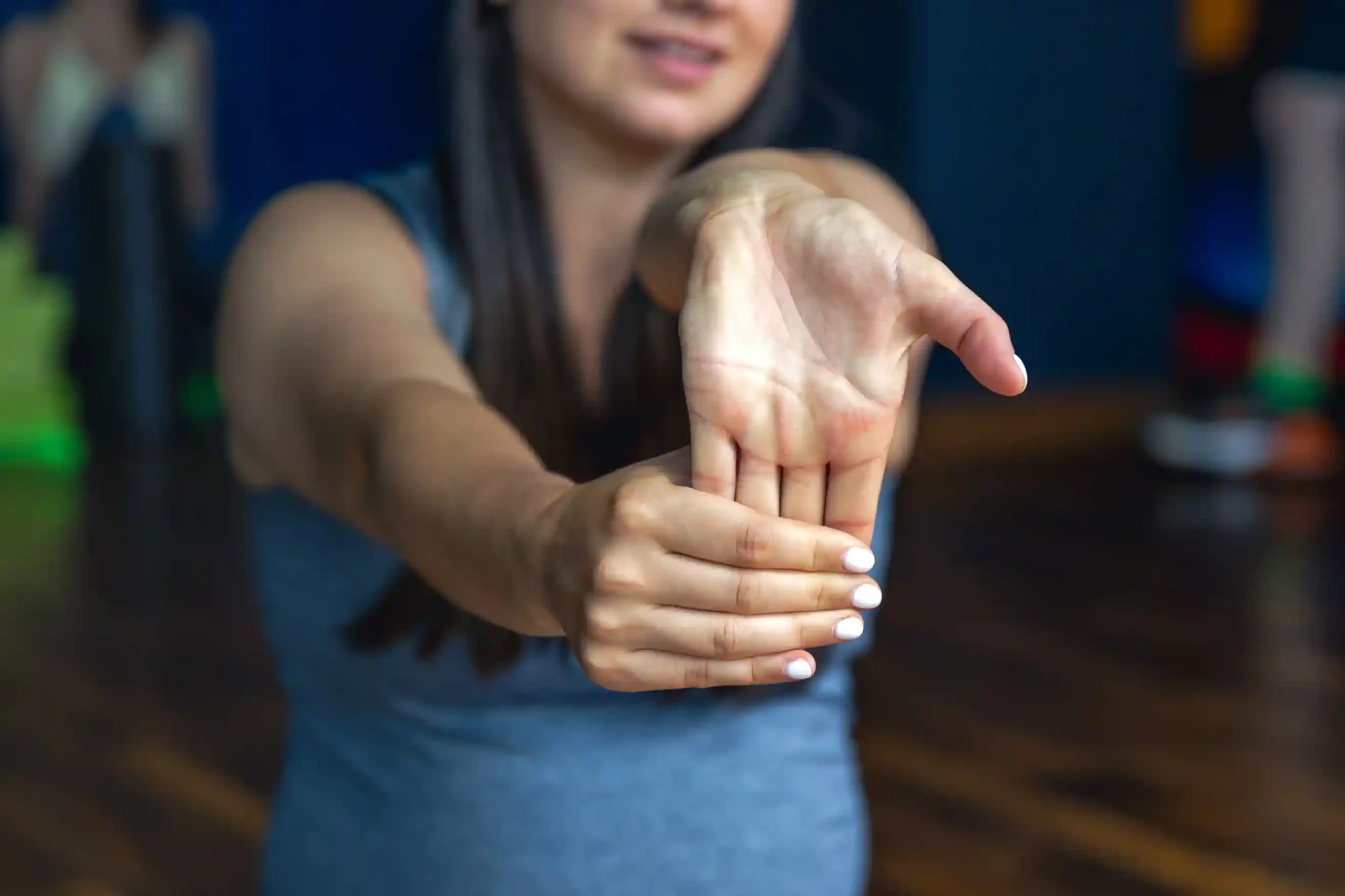
Summary:
This blog explains how finger exercises can reduce pain, stiffness, and long-term issues caused by typing or repetitive hand use. It highlights the benefits of regular practice, such as improved strength, flexibility, and better joint mobility. I share 14 practical exercises, including stretches, finger spreads, palm connection, grip training, wrist rotations, and object manipulation, that anyone can do at home or work.
The blog also covers natural relief methods like warm water therapy and massage for quick pain reduction. A mind-body approach, such as the Five Finger Exercise, is included to reduce stress while strengthening hands. Overall, this blog provides a complete guide to building finger strength and preventing discomfort with easy, consistent practices.
Introduction:
If you’re experiencing finger pain or stiffness from typing all day, you’re not alone—millions of people worldwide deal with this discomfort, but there are effective exercises that can help. Finger exercises can release tension, improve strength, and prevent long-term issues like trigger finger or reduced hand mobility.
Typing has become an inseparable part of daily activities for most of us. While some people can type for hours without feeling any discomfort, many experience considerable tiredness and even pain in their fingers during long typing sessions. It’s worth mentioning that finger, wrist, and joint pains usually occur together—they’re all connected, and addressing them together will help you achieve the most desirable results.
What Are the Benefits of Regular Finger Exercises?
- Incorporating finger exercises into your daily life offers far more than just relief from keyboard cramps.
- Physically, they enhance grip strength, which is vital for sustaining long typing sessions without your hands giving out.
- Stronger fingers mean better endurance, allowing you to type for hours with less fatigue.
- Flexibility exercises improve joint mobility, helping to alleviate stiffness that builds up from repetitive motions like keystrokes.
- This can prevent common issues such as tendonitis or trigger finger, which plague heavy typists.
- On a functional level, these exercises translate to real-world gains.
- For writers and coders, improved dexterity means quicker key presses and fewer errors, potentially increasing your words-per-minute rate.
- In professions involving fine motor skills, like graphic design or transcription, you’ll notice smoother mouse control and better handling of small tools.
- Even everyday tasks, such as texting or opening packages, become easier.
- Mentally, the rhythmic nature of these exercises can serve as a stress reliever, promoting mindfulness during breaks.
- Emotionally, knowing your hands are resilient builds confidence, reducing anxiety about potential injuries that could sideline your work.
- Research from physical therapy experts indicates that consistent hand strengthening reduces the risk of RSI by up to 50%, supporting long-term joint health and circulation.
- Over time, this prevents age-related decline, keeping your typing skills sharp well into later years.
- Whether you’re a beginner typist or a seasoned pro, these benefits make finger exercises a non-negotiable part of your wellness routine.
Preparation and Safety Tips
- Before jumping into the exercises, proper preparation is key to maximizing benefits and minimizing risks—especially for typists prone to overuse injuries.
- Start with a warm-up: Spend 5-10 minutes doing light wrist circles, shaking out your hands, or gently massaging your palms.
- This increases blood flow and loosens muscles, prepping your fingers for action without shock.
- You’ll need minimal tools for most exercises—many are equipment-free.
- For others, grab a soft therapy ball (like a stress ball), hand putty (available at pharmacies), clothespins, coins, or even a puzzle.
- These are inexpensive and portable, perfect for desk setups.
- Aim for 3-5 sessions weekly, each lasting 10-15 minutes.
- Begin with 5-10 repetitions per exercise, gradually increasing as your strength builds.
- Always prioritize form: Keep movements controlled to avoid jerky strains.
- Listen to your body—if you feel sharp pain (not to be confused with mild effort discomfort), stop immediately.
- Those with conditions like arthritis or recent hand injuries should consult a doctor or physical therapist first.
- To progress safely, track your reps and add resistance over time, such as using firmer putty.
- Hydrate well and maintain good posture during exercises to support overall hand health.
- If symptoms like persistent numbness or swelling arise, seek professional help promptly.
- With these tips, you’ll build strength sustainably, turning your typing sessions from painful to productive.
14 Finger Exercises To Improve Strength
Finger Stretches: Essential for Daily Relief
Your fingers need some serious attention, particularly if you type at a job or spend hours working with typing software. I learned this the hard way after years of coding – my hand would cramp up every few hours, and I knew something had to change. Now I practice these stretches daily, and the difference is remarkable.
Then there’s the matter of finger pain – something most people ignore until it becomes unbearable. The best finger exercises start with simple movements that target the root cause. When you spread your fingers and hands apart, you’re creating space between joints that have been compressed for hours.
Let me walk you through what works, broken down into three effective techniques:
Stretch 1
Start with the most basic movement – spread the fingers of your hands apart, stretch for five seconds, then relax. This simple approach gives immediate relief from finger pain and is perfect for beginners. I do this between typing sessions, and it’s one of the best finger exercises for quick recovery.
Stretch 2
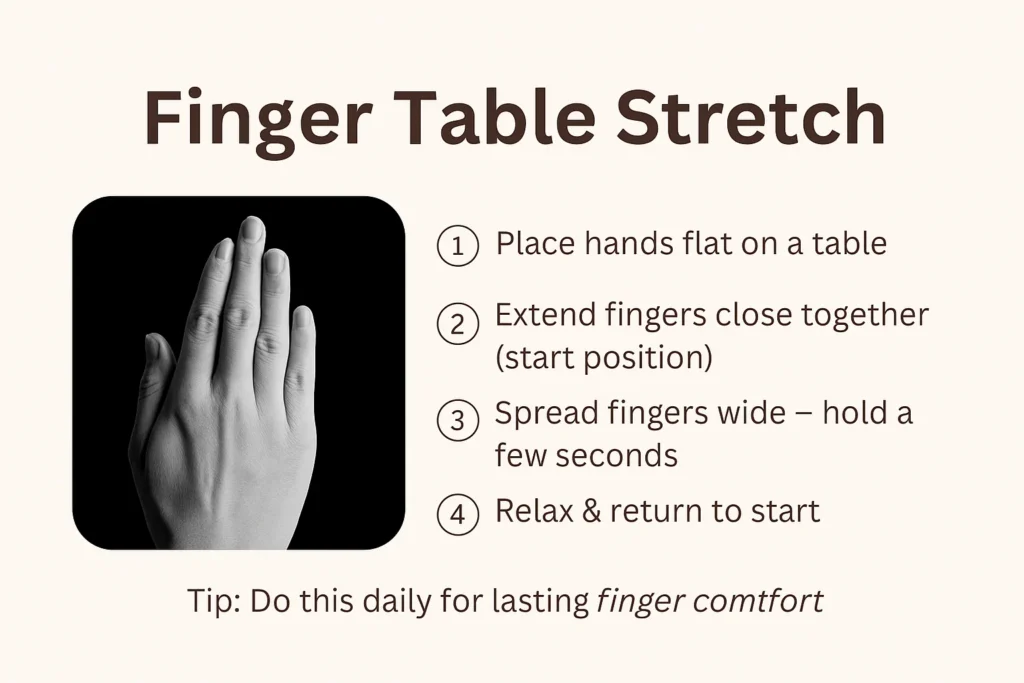
First, try putting your hands on a table or any other hard surface. This gives you stability and control. Fully extend your fingers and make sure they touch each other – this is your baseline position. Spread your fingers wide, hold them in that position for a few seconds, and then relax.
Return to the starting position and repeat this movement 20 times. I usually do this during coffee breaks, and it’s become second nature. The key is consistency – doing this exercise once won’t solve anything, but making it a habit will transform how your fingers feel.
Stretch 3
There’s another way of stretching that I discovered by accident. Open your fist completely, stretch your digits wide, then close them as if you’re going to punch something. Repeat this motion all over again – the contrast between opening and closing creates a pumping action that improves circulation.
Alternatively, rather than closing your whole hand into a fist, try this variation: bend your fingers while you keep your palm open, facing towards you. These are called claw stretches, and they target different muscle groups than traditional finger movements. The relax phase is just as important as the active stretch – your muscles need that recovery time.
What makes these movements so effective is their simplicity. You don’t need special equipment or a few hours of your day. Just a hard surface and a willingness to take breaks from whatever task is keeping your hands busy. Whether you’re dealing with chronic discomfort or just want to prevent future issues, these stretches address the problem at its source.
2. Palm Connection and Thumb Mobility Training
Building finger strength starts with understanding how your muscles work together. After years of helping clients improve their grip strength, I’ve found that the simplest movements often deliver the most powerful results.
- Join your palms together and interlock your fingers in a crossed position
- Exert steady pressure from both sides for 4-8 seconds
- Relax your grip completely, then repeat this sequence 4-5 times
- This exercise helps because targeted pressure applied to your digits causes them to stretch and contract in ways that build endurance
I’ve personally used this technique during long writing sessions, and the difference in stamina is remarkable.
- Touch your thumb to every fingertip in sequence, creating what’s called the ‘O’ exercise
- Form this letter when touching each digit to maximize range of motion
- This touching sequence can be done anywhere – it’s great for meetings, presentations, or those moments of inactivity
Another powerful movement involves your thumb and each individual fingertip. The circular shape maximizes the range of motion while engaging the smaller stabilizing muscles. I often demonstrate this to clients who spend hours typing, and they’re amazed at how such a simple movement can prevent stiffness and maintain flexibility throughout their workday.
3. Finger Dance
Finger dance is an exercise meant to help you ease those nagging joint pain issues that many of us face daily. Start by playing with your fingers in a way that brings back those sweet days of childhood when everything felt effortless. I’ve found that remembering how we used to move our hands freely as kids can unlock natural movement patterns we’ve forgotten.
- Move your fingers in different ways across any flat surface
- Pretend to walk or dance on the table like tiny performers
- Have them climb an imaginary ladder
- Imitate your favorite cartoon heroes performing their signature moves
- This playful approach makes the exercise feel less like work and more like creative expression
The beauty of this finger exercise lies in its simplicity. Various times throughout the day, you can repeat this gentle sequence without any special equipment. Between work sessions or while watching TV, these movements help maintain flexibility and reduce stiffness.
4. Finger Spread: Effective Way to Improve Overall Finger Strength
The finger spread technique stands out as an effective finger exercise designed to improve overall strength in your hands. You’ll need nothing more than a simple elastic hair band that you put around your fingers to create resistance.
- Move your fingers away from your thumb to create tension against the band
- Bring them back together in a controlled motion
- Repeat this sequence for 3 to 5 sets
- Take a short break between each set to prevent fatigue
The benefit from these exercises comes from consistent practice rather than intense sessions. I’ve noticed that people who perform these movements various times daily see better results than those who do them intensively once in a while. The key is making these exercises part of your routine, just like brushing your teeth.
5. Small Object Manipulation Training
Pick up small objects like coins or buttons to build finger dexterity – this exercise targets the complex muscle contractions your fingers need for everyday tasks.
When I first started working with patients recovering from hand injuries, I noticed how something as simple as handling coins could be incredibly challenging. Your fingers contain intricate muscles that control fine motor skills, and when these become weak or affected by injury, age, or conditions like arthritis, even basic tasks become difficult.
This technique works because it forces your fingers to coordinate precise movements. Simply empty a jar of coins or buttons onto a table in front of you. While this might sound and look silly at first, the results speak for themselves. The goal is to pick up one coin at a time and move it to a different area of the table, then place it down carefully.
Key Points:
- Remember to maintain a regular pattern as you work – start with thumb and index finger, then progress to different finger combinations
- This doing strengthens small muscles while teaching fingers to work together more effectively
- I’ve seen this help countless people regain control over their hand movements
- Alternatively, use this approach if someone dropped a jigsaw puzzle and you need to help pick up all the items
- Puzzle pieces provide excellent resistance training due to their irregular shapes
- You can repeat this activity until you’ve had enough, gradually increasing duration as strength improves
- Focus on the involved muscles that control grip strength and precision movements
- Keep movements controlled and deliberate to improve coordination and strength, not speed
- This relaxed approach allows muscles to adapt gradually while building neural pathways for better finger control
6. Pressure Exercise Hand: Enhanced Finger Flexibility
Pressure therapy works wonders when applied strategically to strengthen your fingers and improve overall hand mobility. This simple yet effective technique targets the palms while creating resistance that builds endurance in ways most people never consider.
- Hold your arm straight outward from your body, keeping your palm directed upward and away from your chest
- Using the fingers of your other hand, gently bend the fingers of the hand being exercised backward by applying steady pressure against them
- Hold this pressure for a few seconds – I typically count to five slowly
- Relax your grip completely and repeat the movement several times per hand
The same exercise can be practiced using a different angle for comprehensive coverage:
- Try holding your hand forward with the palm toward your face, fingers directed downwards like you’re signaling stop
- Again, take the fingers of the hand being exercised and apply controlled pressure, pulling them gently toward your wrist
From my years of working with clients recovering from repetitive strain injuries, this dual-angle approach targets different muscle groups within the same movement pattern. The upward and downward variations ensure you’re addressing both the flexor and extensor muscles that control finger movement. Many clients who experience shoulder pain often find that finger exercises help reduce tension that travels up the arm.
What makes this exercise particularly effective is its accessibility – you need no equipment beyond your own hands. Whether you’re at your desk, watching television, or taking a break from typing, these movements can be seamlessly integrated into your daily routine.
7. Circular Wrist Rotation
Starting with wrist rotation creates the perfect foundation for all fourteen finger exercises. Make a tight fist with both hands and begin the circular movement by rotating clockwise first. After you complete twenty rotations, switch to anti-clockwise direction and repeat the same number of times.
- This exercise targets multiple muscle groups simultaneously while improving joint mobility
- The rotation motion engages your arms and wrists in a way that’s incredibly beneficial for overall strength building
- Consistent practice of this movement significantly enhances coordination and range of motion
- The circular pattern helps with conditioning your joints for more advanced exercises
- When you rotate your wrists, you’re preparing your entire hand structure for increased demands of finger strength training
- This repetition serves as both warm-up and therapy for tired muscles
8. Pressure Exercise Wrist
Pressure application through strategic palm placement dramatically improves wrist stability. Position your palm on any firm surface and press downward while maintaining proper hand alignment. Try to hold this position for several seconds before release.
- For enhanced tension release, hold your arm vertically and press your hand against the surface with palms facing up
- This particular position targets different muscle fibers and promotes better flexibility
- The exercise works well when you focus on controlled movement rather than speed
- This pressure technique significantly reduces tension in both wrists and fingers
- The stretch component activates deep muscle layers that standard exercises often miss
- Regular practice of this conditioning approach leads to noticeable strength improvement within weeks
- When you improve your wrist stability through these pressure exercises, you’re building a stronger foundation for all finger movement
- The joint stability gained from this therapy approach translates directly into enhanced grip strength and better coordination during daily activities
9. Crumbling Paper
The simple act of transforming paper into a compressed ball engages all your fingers simultaneously. You’ll never get bored with this approach because it feels more like play than serious exercise. Consider this fun method as one of the most effective ways of relieving pain while building strength.
When you squeeze a sheet of paper, every finger muscle activates to crumble the material together. After completing your first compression, take time to relax for a few minutes before starting again. Remember to choose environmentally friendly options by selecting recycled materials for this exercise.
- Repeat the crumbling process 20 times for optimal conditioning
- Alternatively, grasp a thickish towel and squeeze it with controlled pressure
- This meditative exercise can be done while talking or listening to music
- Focus on the beneficial movement that involved all fingers working together
- For those into numbers, practice these techniques roughly 10 times twice per day
- The therapy helps strengthen muscle groups and improve overall flexibility
- This rehabilitation method supports coordination and builds toward the complete fourteen finger exercises
10. Finger Extension Exercise
Try this another targeted exercise for finger extension by carefully putting your hand flat on a table surface. Position fingers in a fully extended state, then using your opposite hand, gently lift each individual finger as far off the surface as possible.
Practice this same controlled movement with all five fingers systematically. The stretch sensation indicates your joint range of motion is expanding effectively.
- Repeat this sequence 10 times to strengthen deep muscle fibers
- Focus on the extension movement that improves joint flexibility
- This conditioning approach enhances coordination and supports rehabilitation goals
- Each controlled extension builds toward better overall strength development
- The therapy contributes significantly to mastering all fourteen comprehensive finger exercises
11. Grip Training: Grip Training Transform Your Daily Performance
Focusing on your grip isn’t just about looking stronger – it’s about making everyday tasks easier. I’ve noticed that when people really concentrate on their fingertips, hands, and fingers during pull-ups or push-ups, they train these small but crucial muscles more efficiently.
- Without proper attention, your arm and shoulder muscles end up doing all the work
- Your finger strength never gets the chance to improve
- This affects your overall strength, fitness, and form in ways you might not realize
- When you deliberately engage your finger muscles during compound movements, you’re getting a two-for-one workout
- This builds both primary muscle groups and supporting grip strength that ties everything together
What Makes Isometric and Dynamic Training So Effective?
Isometric and dynamic finger exercises work together like a perfect partnership. Isometric refers to holding a position or maintaining tension – think of hanging from a pull-up bar with just your fingertips. This builds endurance and teaches your fingers to maintain strength under pressure.
Isometric and dynamic finger exercises work together like a perfect partnership. Isometric refers to holding a position or maintaining tension – think of hanging from a pull-up bar with just your fingertips. This builds endurance and teaches your fingers to maintain strength under pressure.
- Dynamic training involves moving different parts of your body to perform an activity
- Examples include executing a full pull-up or push-up
- The magic happens when you combine both states into your routine
- Start with a dead hang using your fingertips, then transition into a pull-up movement
- To increase difficulty levels, try progressing from full-hand grips to fingertip holds
- Your mobility, flexibility, and strength get developed simultaneously
- Each aspect can be developed even further with consistent practice
- This progressive approach prevents injury while building serious functional strength
Which Simple Tools Can Revolutionize Your Finger Strength?
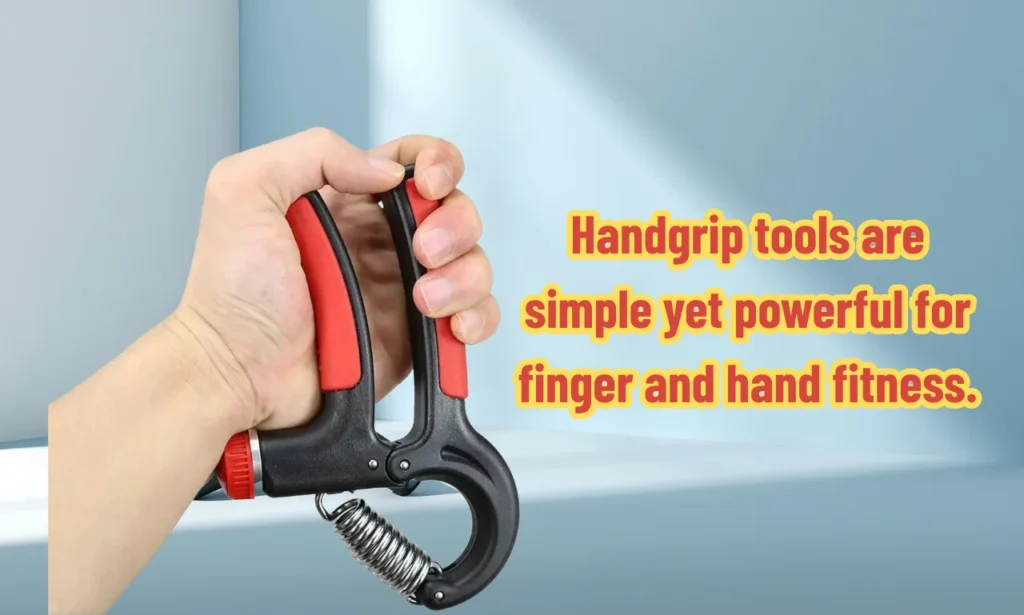
The humble handgrip represents one of the most basic yet powerful tools in modern fitness equipment. You probably have one buried in a box of unused stuff at home – it might be the oldest piece of fitness gear you own, but don’t underestimate its effectiveness.
The humble handgrip represents one of the most basic yet powerful tools in modern fitness equipment. You probably have one buried in a box of unused stuff at home – it might be the oldest piece of fitness gear you own, but don’t underestimate its effectiveness.
- Start with 3 sets of 15 squeezes, focusing on slow, controlled movements
- Squeezing a stress ball makes a good alternative when traveling or without traditional equipment
- Build this powerful finger exercise into your daily routine
- Use them while watching TV, during work breaks, or even while commuting
- The key is consistency rather than intensity
- People can make dramatic improvements with just five minutes of handgrip work in their morning routine
- Your fingers contain intricate networks of tendons and small muscles
- These respond incredibly well to regular, moderate stimulation rather than occasional intense sessions
12. Natural Relief Methods for Finger Pain
When your fingers and arms ache after a long day of typing or manual work, home remedies can provide the instant relief you’re desperately seeking. I’ve personally found that simple solutions often work better than expensive treatments, especially when you need quick results.
Quick Pain Relief Techniques
The most effective method I’ve discovered involves creating a warm water bath for your hand and arm. Soak your affected fingers in comfortably heated water for 10-15 minutes until you feel completely relaxed. This technique works by increasing blood flow to the joint areas, reducing stiffness and inflammation that causes pain.
Home solutions like this are incredibly helping because they’re accessible whenever discomfort strikes. The warm water therapy targets both surface tension and deeper muscle stress, making it perfect for those dealing with repetitive strain from daily activities.
When to Seek Professional Guidance
While natural remedies provide excellent relief, you should stop any exercises or treatments if pain increases rather than decreases. Contact your doctor immediately if symptoms worsen or persist beyond a few days.
Being cautious about past injuries is crucial – I always recommend having people consult their healthcare provider beforehand if they have any history of finger, hand, or arm problems. Previous trauma can affect how your body responds to even gentle treatments.
Your joint health deserves careful attention, and while exercising can strengthen weak areas, pushing through significant discomfort often does more harm than good. Listen to your body’s signals and adjust accordingly.
Key Points:
- Soak fingers and arms in warm water for 10-15 minutes for instant relief
- Stop exercises immediately if you feel pain during treatment
- Contact your doctor if symptoms worsen or persist
- Be cautious about past injuries – consult healthcare provider beforehand
- Home remedies are helping tools but listen to your body’s signals
- Joint health requires careful attention during exercising
13. Five Finger Exercise Technique: A Mind-Body Approach
When I first discovered this technique, I was skeptical about mixing psychological methods with physical finger exercises. But after years of working with clients who struggled with hand pain and tension, I’ve learned that sometimes the most helpful approaches aren’t just about building muscle strength.
The Five Finger Exercise Technique is beautifully simple yet incredibly effective. Here’s the idea: instead of focusing solely on physical movements, you combine mental wellness with gentle finger work to relieve both stress and pain.
Key Steps for the Five Finger Exercise:
- Start by finding a comfortable position where you can sit without distractions
- Close your eyes and take a deep breath
- Touch your thumb to each finger in turn while focusing on positive thoughts
- Think of five positive things that bring you joy during each finger contact
What to Focus On During the Exercise:
- Your favorite physical activity you were once involved in
- A particularly loving experience with someone special
- The sweetest compliment that was ever paid to you
- The most fascinating place you have ever visited
- Any other positive memories from the plenty of things in your life
What makes these exercises so powerful is how they work on multiple levels. While your fingers get gentle movement and circulation, your mind shifts into a positive mindset. This combination helps eliminate stress that often contributes to hand tension and pain.
The calming effect becomes noticeable almost immediately after you’ve done the sequence. I’ve watched countless people enjoy this practice because it doesn’t feel like traditional exercise – it feels more like a mini meditation break that happens to benefit your hands.
The beauty of this approach is that you can practice these techniques anywhere, anytime you need a moment of relief.
14. Finger Massage
Finger massage works wonders for strengthening and healing tired hands. I discovered this during my years working with musicians who struggled with repetitive strain injuries.
When you walk into any shop that sells hand cream, you’ll notice how the assistant demonstrates their products. They use a tester combined with gentle massage techniques, and there’s a reason it feels so relaxing – it actually works. I recommend applying self-massage daily to maintain optimal finger health and strength.
The key is to focus on your trigger fingers – those digits that feel stiff or painful after repetitive use. Start by warming a small amount of oil between your palms. This creates the perfect base for working on affected areas without causing friction burns.
Apply mild pressure using your thumb while moving in a circular motion around each finger joint. The joints need special attention since they bear the brunt of daily stress. Each joint should be massaged thoroughly, but remember to work mildly – excessive force defeats the purpose.
I’ve found that pressing each joint gently helps release built-up tension and pain. The goal is to achieve complete relaxation while simultaneously building strength through improved blood flow. This dual benefit makes massage an essential component of any finger strengthening routine.
The beauty of this technique lies in its simplicity. You don’t need expensive equipment or complicated routines. Just five minutes of focused massage daily can transform how your fingers feel and function throughout the day.
Key Points:
- Use oil and circular motion with mild pressure for best results
- Focus on trigger fingers and affected joints that cause pain
- Apply self-massage daily for consistent strength building
- Press each joint mildly to release tension and achieve relaxation
- Combine massage techniques with thumb pressure for maximum benefit
Conclusion
Finger strength and flexibility play a key role in keeping your hands healthy, especially if you type, write, or perform tasks that put constant pressure on your fingers. In this blog, we explored 14 effective finger exercises ranging from stretches and grip training to playful techniques like finger dancing and paper crumbling.
These exercises not only help reduce stiffness and pain but also improve blood circulation, mobility, and overall hand function. The best part is, most of them can be done anywhere without special equipment. With just a few minutes of daily practice, you can build stronger, more flexible fingers and prevent long-term issues. Start small, stay consistent, and your hands will thank you in the long run.
Ready to test your improved typing skills? Try our alphabet typer game and see how much your speed has improved! Strong fingers plus regular practice equals amazing typing skills.
Your journey to stronger fingers and better typing starts today. Pick three exercises from this list and try them right now. Your fingers will thank you!
FAQs
Do finger exercises actually work?
Yes. Regular finger exercises can be highly effective in improving hand health. By stimulating blood circulation, they help deliver essential nutrients to muscles and tendons, reducing stiffness and lowering the risk of strain or injury. Over time, consistent practice can improve strength, flexibility, and endurance in the fingers.
How do I strengthen my finger joints?
One simple way is to practice a “can grip” movement. Start with your fingers straight and together, then gently curl them as if holding a can or bottle. Slowly return to the starting position. Repeat this several times with both hands to build strength and stability in your joints.
Can I make my fingers stronger?
Absolutely. Try a towel-squeeze exercise: place your hand flat on a table with a towel underneath, then pull your fingers together to bunch up the towel. You can also do a variation without a towel by pressing your fingers into the surface, squeezing them together, and stretching them apart.
Why might my fingers feel weak?
Weakness in the fingers can happen due to lack of use, but it can also be linked to conditions such as arthritis, peripheral neuropathy, cervical nerve compression, brachial plexus injuries, Parkinson’s, or multiple sclerosis. If weakness persists, it’s best to consult a healthcare professional.
Which finger is the strongest?
In terms of grip force, the middle finger contributes the most—about 35%. The index and ring fingers each provide around 25%, while the pinky contributes about 14%. This shows that the thumb and index side (radial side) supply nearly 60% of gripping power, while the pinky side (ulnar side) makes up about 40%.
